




Pursuing an MBBS degree abroad is an exciting yet important decision for students and parents. One of the most common concerns that keeps arising is, will studying abroad provide sufficient real-world experiences to prepare for clinical practice?
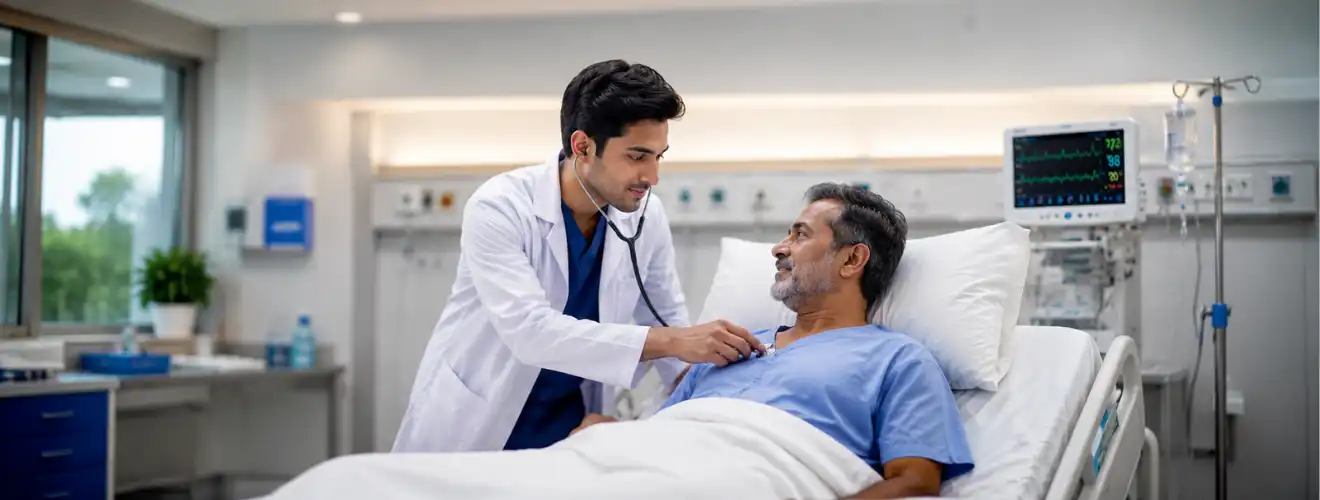
Well, the answer is simple, and that is early hospital exposure is an integral part of the modern medical programs that helps in minimizing the gap between theory and practical application from the start.
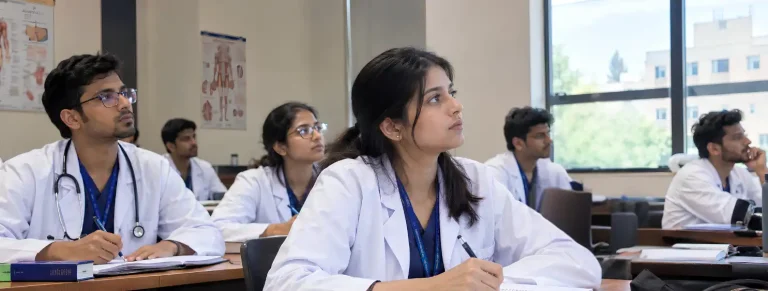
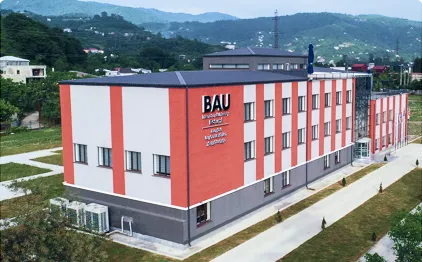
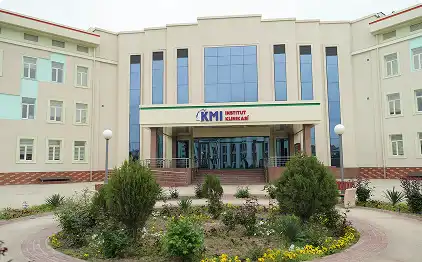
In countries like Georgia and Uzbekistan, many universities are already aware of this important approach. Leading medical universities in these countries, like the BAU International University Batumi, KMI University, and European University, offer well-defined opportunities to first-year students so that they can easily observe and take part in real hospital settings. In turn, exposure of this kind helps in building confidence, understanding patient care, and developing a professional mindset.
Importance of Early Clinical Exposure
Back in the days, medical education used to separate classroom theory from practical patient care. As a result, students would visit hospitals only towards the later years, and this made the transition to clinical practice extremely stressful.
However, as per research conducted by several medical universities across the globe, it was seen that early hospital exposure helps in improving knowledge retention, clinical reasoning, and confidence.
By interacting with patients and healthcare teams, students can learn to connect medical concepts with real-life scenarios. In addition, they also develop soft skills like empathy, communication, and professionalism.
Strengthens Understanding and Retention
Early hospital exposure enables the students to see the practical application of various subjects like anatomy, physiology, and biochemistry. Rather than memorizing the concepts, students get an opportunity to observe how these core principles are applied in diagnosis, treatment, and patient care. Hands-on learning of this level helps in reinforcing theoretical knowledge and improves long-term retention.
Boosts Confidence From Day One
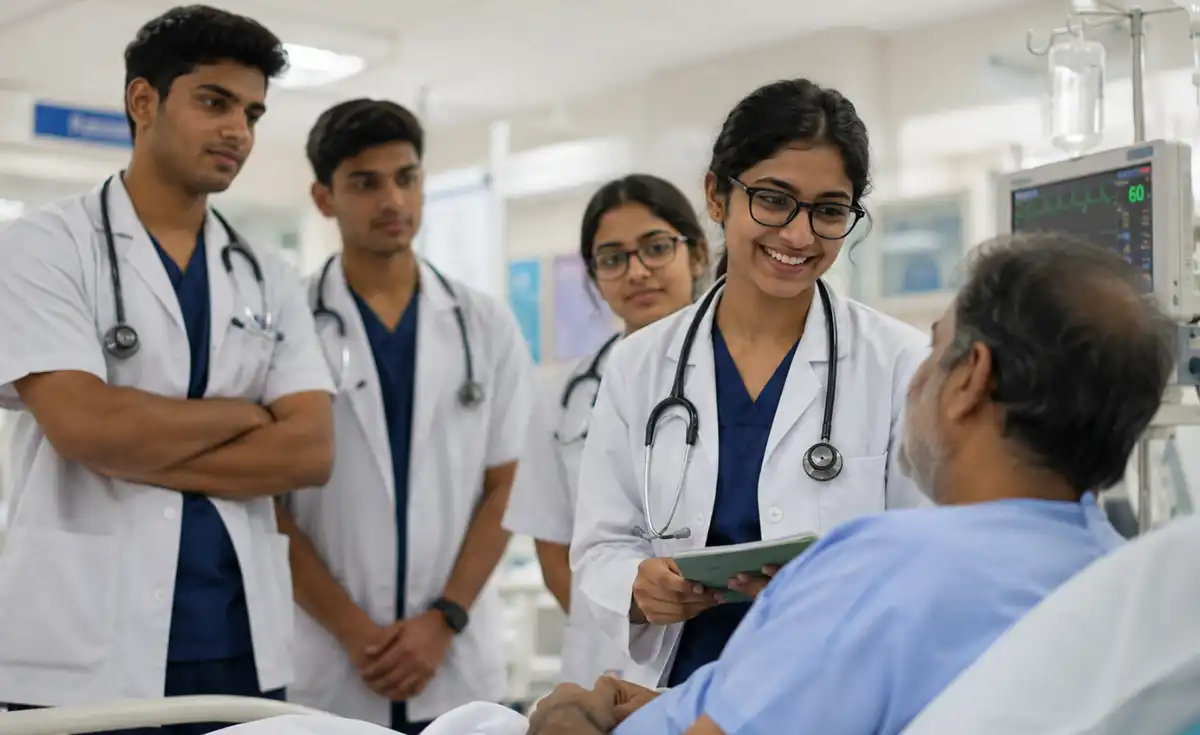
Students who get hospital exposure since the start of their course are well-versed with all the important protocols in a real hospital setup, which further helps in building their confidence. They get to observe procedures, take part in minor tasks under expert guidance, and familiarize themselves with hospital workflows.
By the time clinical rotations start, students start getting comfortable with the environment and the expectations.
Additionally, confidence is further enhanced by practicing real-life scenes like taking patient notes, performing basic examinations, and observing surgeries. Experiences like these help in reducing the fear of the unknown, thereby creating a sense of readiness that can positively impact both academic performance and patient communication.
Develops Communication and Teamwork Skills
The field of medicine is not about technical knowledge, but it is also about communicating effectively and working collectively as a part of the healthcare system. Early exposure is important as it helps the students to interact with the patients respectfully, explain clinical procedures clearly, and collaborate with nurses, doctors, and peers.
For instance, students at universities like KMI and European University take part in group discussions after observing patient rounds. These are insightful sessions that teach them to ask relevant questions, reflect on patient care, and communicate key results closely.
Enhances Motivation and Professionalism
Witnessing patient care from the start helps in enhancing a deeper understanding of the purpose behind medical studies. Students are encouraged to learn more as they can easily witness how knowledge is applied in improving the lives of the patients.
This further helps in developing professionalism, ethical awareness, and accountability. These qualities are important in the long run if you want to succeed in medicine.
Early exposure also enables the students to experience the cultural and administrative aspects of hospitals abroad.
Prepares Students for Global Healthcare Practice
International medical programs, including MBBS in Uzbekistan, focus a lot on early clinical exposure, which further prepares students for global standards. Leading medical institutions across the globe ensure that the students gain hands-on experience that will seamlessly align with the international expectations, thereby making them more competent for internships, residencies, and licensing exams across the world.
How Does HSA EduWorld Support Students?
At HSA EduWorld, we have a team of dedicated experts who offer guidance to the students and parents in choosing the programs that will offer structured early hospital exposure.
Additionally, we help with the thorough assessment and evaluation of universities’ curricula, clinical opportunities, and robust support systems to ensure that the students gain maximum benefits.
From choosing the suitable country and medical program to understanding the essential hospital protocols, cultural adjustments, and practical skill development, HSA EduWorld ensures that the students are confident and well-prepared for every step in their MBBS journey.
Wrapping Up
Early hospital exposure is a proven approach that will help strengthen knowledge, build confidence, enhance communication, and develop professionalism. For students who are planning for an MBBS abroad, programs that seamlessly integrate hands-on clinical experiences from the first year itself will serve as a strong foundation for both academic success and real-world experience.
However, with guidance from HSA EduWorld, students can easily make the most of these opportunities and start their medical careers.
 Education