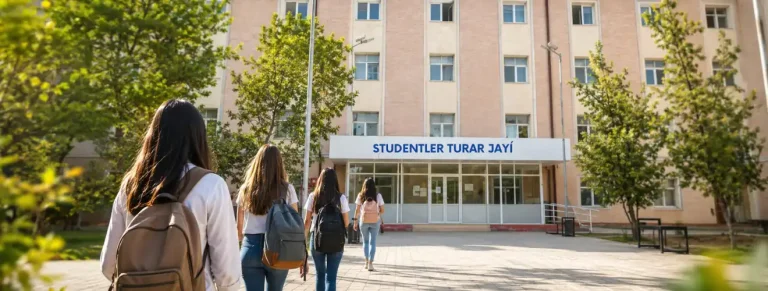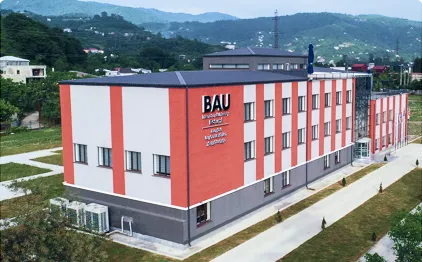

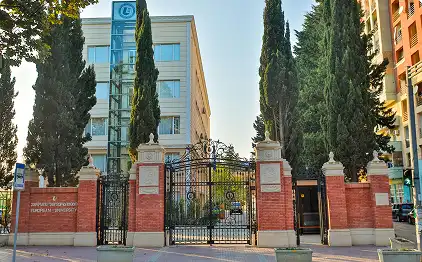

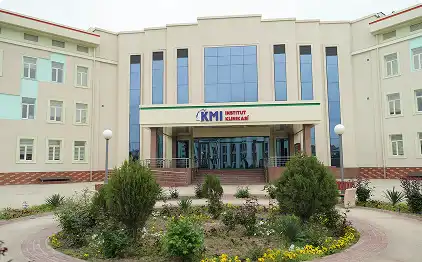



When Indian students think about pursuing medicine abroad, the primary focus starts with admission requirements and tuition fees. But soon, major concerns start coming to the surface.
How will life be in a new country?
Will I be able to adjust to a new culture?
Can I manage academics and extracurricular activities without support?
For many aspiring doctors, the MBBS in Georgia for Indian students has turned out to be a balanced answer to these questions. Well, Georgia does not boast loudly or through fake promises. But in reality, it builds confidence through stability, student satisfaction, and long-term outcomes.
This blog will focus on what life actually looks like beyond classroom lectures, that is, the real experiences of Indian students gained while pursuing MBBS in Georgia.
Why is MBBS in Georgia Becoming a Preferred Choice for Indian Students?
Georgia’s popularity among Indian medical students aspiring to be doctors has grown significantly over the past few years. This surge is not driven by aggressive marketing tactics but by actual and authentic positive student experiences and feedback.
A plethora of factors have contributed to this trust, including:
- English-medium medical programs
- Recognition by global medical bodies
- Universities adhering to European education standards
- Affordable fee structure
For students exploring MBBS admission in Georgia, these are some of the vital factors that will help in creating a sense of trust and reliability. Families view Georgia, where education is serious, systems are well-organized, and students are supported.
Exploring the Cultural Side of Georgia: Adjusting as an Indian Student
Moving to a foreign land is not an easy decision, and this shift brings a host of cultural changes. And the best part? Indian students find Georgia easier to adapt to than any other Western country.
Georgian society values family, tradition, hospitality, and mutual respect, and these are some of the essential principles found in Indian upbringing. Though the traditions differ, the emotional tone continues to remain the same.
Students often get to experience:
- Friendly encounter with locals
- Peaceful lifestyle
- Easy acceptance of international communities
- Respectful academic environments
In addition, universities actively promote multicultural participation. Indian festivals, cultural events, and student associations support newcomers by making sure they feel connected.
Food, Language, and Everyday Comfort
For the majority of the aspirants opting for MBBS in Georgia for Indian students, food and daily comfort are the top-most priorities. Luckily, Georgia has adapted itself well to the needs of international medical students.
The majority of the university city provides:
- Indian restaurants
- Student mess facilities
- Grocery stores
- Hostel kitchens for self-cooking
- Affordable access to fresh local produce
These are some of the essential facilities that make daily life for students pursuing MBBS in Georgia smooth while helping them maintain consistent eating habits.
Language is also not a major barrier. Though Georgian is the local language, English is widely used in medical universities, hospitals, etc.
Safety and Security: Reassurance for Indian Parents
For families planning for MBBS in Georgia for Indian students, safety is another point of concern. Georgia provides a stable and student-friendly environment, and that is sufficient to reassure parents from the commencement of the academic session. In addition, well-organized public systems and university infrastructure play an integral role in maintaining safety and security.
Primary safety features include:
- Reliable and safe public transport
- Monitored hostels and campus security systems
- Well-lit streets
- Well-defined student neighborhood boundaries
Most of the students pursuing MBBS admissions in Georgia easily become comfortable moving around independently within a few weeks of their arrival. A routine of a medical student, like group studies, library visits, and evening lectures, also becomes normal.
Student Lifestyle: Accommodation, Transport, and Social Balance
Though medical education is demanding, student life remains balanced in Georgia.
Accommodation options primarily consist of:
- University-affiliated hostels near campuses
- Shared apartments
- Private rentals in student-friendly areas
Public transport systems like buses and metro services are affordable and reliable. Students can opt for a travel pass, which further helps in reducing commuting costs, making daily travel hassle-free for those enrolled through MBBS admission in Georgia programs.
The social life of a medical student usually revolves around:
- Group studies and academic discussions
- Cafes and public parks
- Cultural and festival gatherings
- Short weekend getaways within Georgia
Academic Environment in Georgian Medical Universities
The academic structure primarily focuses on continuous learning rather than last-minute preparation. Students are expected to remain consistent throughout their academic year.
The basic academic framework consists of:
- Early clinical exposure
- Practical lab training
- Regular internal assessments
- Mandatory attendance policies
In the beginning, new students may find the system overwhelming. Time management and self-discipline become essential skills. As time flies by, with proper guidance and structured routines, confidence starts improving slowly.
Teaching Style, Exams, and Learning Methods
All the international medical programs that fall under are conducted in English, ensuring smooth communication and understanding. The teaching methods focus more on conceptual understanding and practical application rather than memorization.
Key academic features include:
- Semester-based examinations
- Access to digital libraries
- Continuous internal evaluation
Faculty members are highly approachable, and most of the universities also provide academic support systems.
Common Challenges and Ways to Overcome Them
Like any other education journey, pursuing MBBS in Georgia for Indian students comes with certain challenges.
Some commonly faced problems are:
- Homesickness
- Adjusting to cold winters
- Managing independent study schedules
But with strong peer support, senior guidance, and university mentoring programs, students can easily overcome these problems.
In addition, proper preparation is often supported by an experienced and highly qualified MBBS abroad consultant who also helps in reducing initial problems.
Role of an MBBS Abroad Consultant in the Journey
The process of pursuing MBBS admission in Georgia often includes more than just filling out application forms. Documentation, visa procedures, accommodation planning, and legal formalities often require professional handling.
A trusted MBBS abroad consultant offers complete support throughout this journey. Their guidance primarily includes:
- Counseling related to university selection
- Admission and documentation processing
- Visa assistance
- Pre-departure orientation
- Post-arrival support
For families, this guidance ensures transparency and peace of mind. On the other hand, for students, it reduces uncertainty and enables them to focus on their medical education.
Wrapping Up
Choosing MBBS in Georgia for Indian students is not only about finding an easy and affordable alternative. But it also requires discipline, adaptability, and commitment.
Therefore, for motivated students, Georgia provides:
- Reliable and trusted medical education systems
- Safe and comfortable living conditions
- A growing community of Indian students
- Internationally aligned medical degrees
With proper planning, realistic expectations, and support from a trusted MBBS abroad consultant, MBBS admission in Georgia can become a strong foundation for a successful medical career.

 Education