



Learning medicine is not only about remembering anatomy, diseases, and treatment methods. At some point, students need to understand how that knowledge is used when a real patient needs to be examined, investigated, and treated.
This is where advanced medical technology can add value to medical education. Diagnostic imaging, laboratory investigations, modern medical equipment, and clinical facilities can help students see how the concepts they study in class are applied in healthcare.
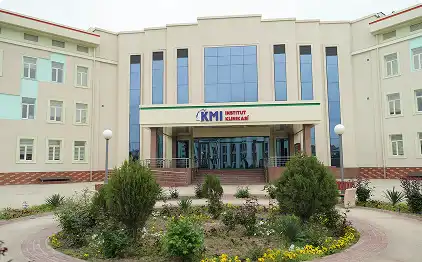
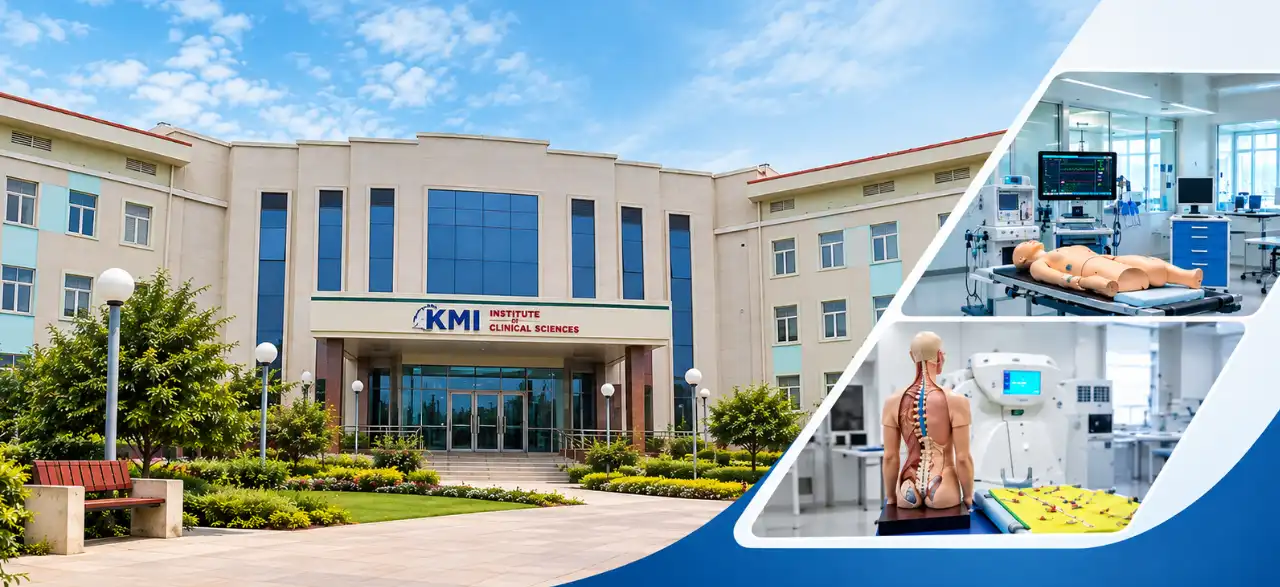
For students considering KMI University MBBS in Uzbekistan, this connection between classroom learning and clinical practice is an important factor to understand. Karakalpakstan Medical Institute (KMI), located in Nukus, has academic departments, clinical bases, and healthcare facilities that provide an environment for practical medical learning.
In simple terms, advanced medical technology can help KMI students connect medical theory with clinical practice by showing how diagnostic information is collected, interpreted, and used in patient care.
Why Is Advanced Medical Technology Important for MBBS Students?
Walk into a modern hospital and you will see that medicine relies on much more than a stethoscope and a physical examination.
Doctors use laboratory investigations, diagnostic imaging, monitoring equipment, and other technologies to understand what is happening inside a patient’s body.
For an MBBS student, the important part is not simply knowing what a machine does. Students also need to understand why a test is ordered, what its findings mean, and how those findings fit with the patient’s symptoms and examination.
That is why advanced medical technology has become an increasingly relevant part of medical education.
It can help students bring together subjects that they often study separately, including:
- Anatomy
- Physiology
- Pathology
- Radiology
- Internal medicine
- Surgery
- Clinical diagnosis
Instead of viewing these subjects as isolated topics, students can begin to see how they interact when assessing an actual patient.
For students comparing medical education options, understanding the differences in MBBS in Uzbekistan vs India can also help them evaluate clinical exposure, advanced medical facilities, laboratory training, and practical learning opportunities.
How Does KMI Connect Classroom Learning With Clinical Practice?
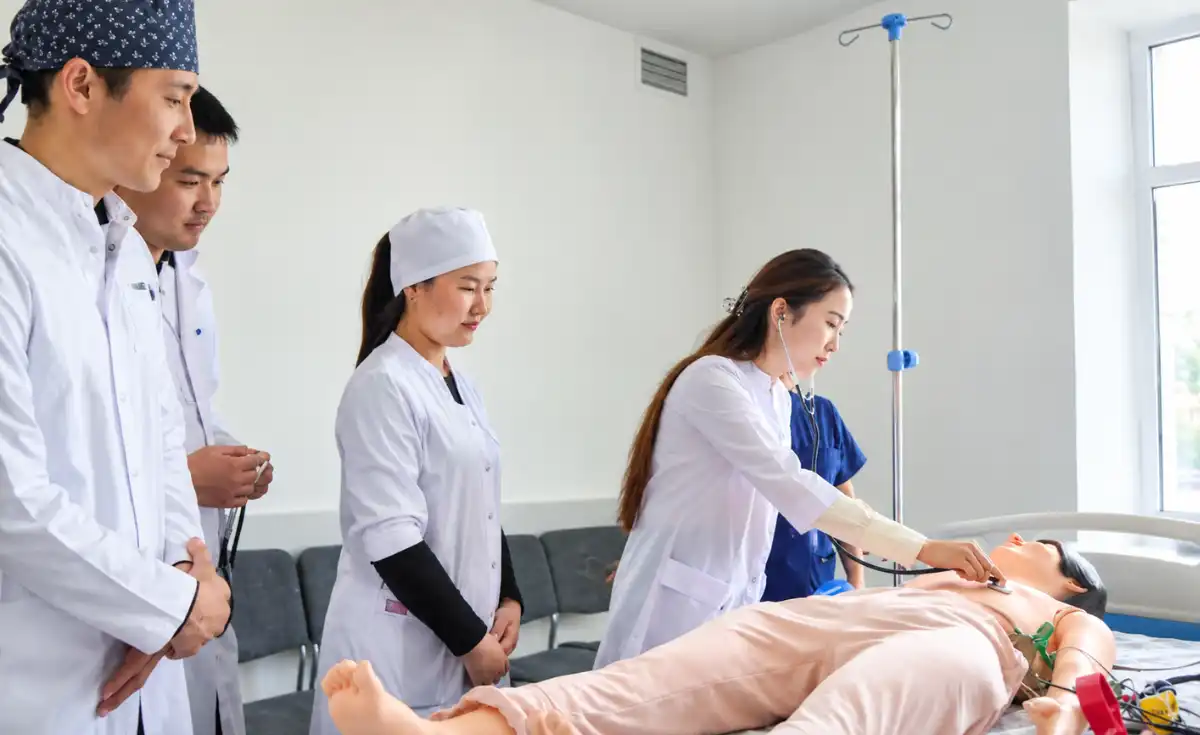
Karakalpakstan Medical Institute was established in its present institutional form in 2020 following the reorganization of the Karakalpak Branch of Tashkent Pediatric Medical Institute. Its history of medical education in the region goes back several decades.
The institute currently has around 20 departments and approximately 300 faculty members and instructors. It also reports more than 2,500 undergraduate students, graduate students, and clinical residents, along with clinical residency training across 32 disciplines.
One of the notable aspects of the KMI learning environment is its connection with clinical institutions.
According to KMI, more than 20 medical and prophylactic establishments in the Republic of Karakalpakstan serve as clinical bases.
For students, this can make a difference because medical concepts become easier to understand when they can be related to clinical situations.
| Learning Area | How It Supports Students |
|---|---|
| Classroom learning | Builds knowledge of fundamental medical subjects |
| Laboratory work | Introduces students to investigations and scientific concepts |
| Clinical observation | Shows how medical knowledge is applied to patients |
| Advanced medical technology | Demonstrates the role of modern diagnostic and clinical tools |
| Practical medical training | Helps students develop clinical skills and confidence |
What Medical Facilities Does KMI Offer?
Modern equipment is useful in medical education, but the equipment itself is only part of the picture.
What matters is how students learn about its role in diagnosis, treatment, and patient care. At KMI University, the clinical learning environment connects medical education with modern healthcare facilities and practical exposure.
The KMI University clinical ecosystem includes a Children’s Clinic that provides diagnostic and treatment services for congenital and chronic conditions using modern high-technology methods.
The clinic has departments covering areas such as:
- Pediatric cardiac surgery
- Minimally invasive surgery
- Neurosurgery
- Ophthalmology
- Otorhinolaryngology
- Maxillofacial surgery
- Orthopedics
- Gynecology
The clinic is designed to accommodate approximately 3,600 inpatients and 22,400 outpatients annually.
For students, exposure to such clinical environments can provide a clearer picture of how different specialties operate. It can also demonstrate how doctors, diagnostic services, and other healthcare professionals work together when managing patients.
How Can CT Scan Facilities Help in Medical Education?
CT scanning is one example of how advanced medical technology can connect classroom concepts with clinical diagnosis.
In the classroom, students learn what organs look like, how they are structured, and how diseases can change those structures. Medical imaging provides another way to understand those concepts.
Computed tomography, or CT, creates detailed cross-sectional images of the body.
For students, learning about the clinical use of CT can help connect:
Clinical Learning Pathway:
Anatomy → Pathology → Imaging → Diagnosis → Clinical Decision-Making
Anatomy → Pathology → Imaging → Diagnosis → Clinical Decision-Making
For example, a student who has studied the normal anatomy of an organ can better understand the significance of an abnormal finding when viewing a corresponding CT image.
The educational role of CT imaging can be understood through the following areas:
| Area | What Students Can Understand |
|---|---|
| Anatomy | Identify structures in cross-sectional images |
| Pathology | Relate structural changes to disease |
| Radiology | Understand how imaging contributes to diagnosis |
| Clinical medicine | Connect symptoms and examination findings with investigations |
| Treatment planning | Understand how diagnostic information can influence the next clinical step |
So, CT scan facilities in medical education are not simply about learning to recognize a machine. The broader goal is understanding where imaging fits into the diagnostic process.
Why Is Practical Training Important?
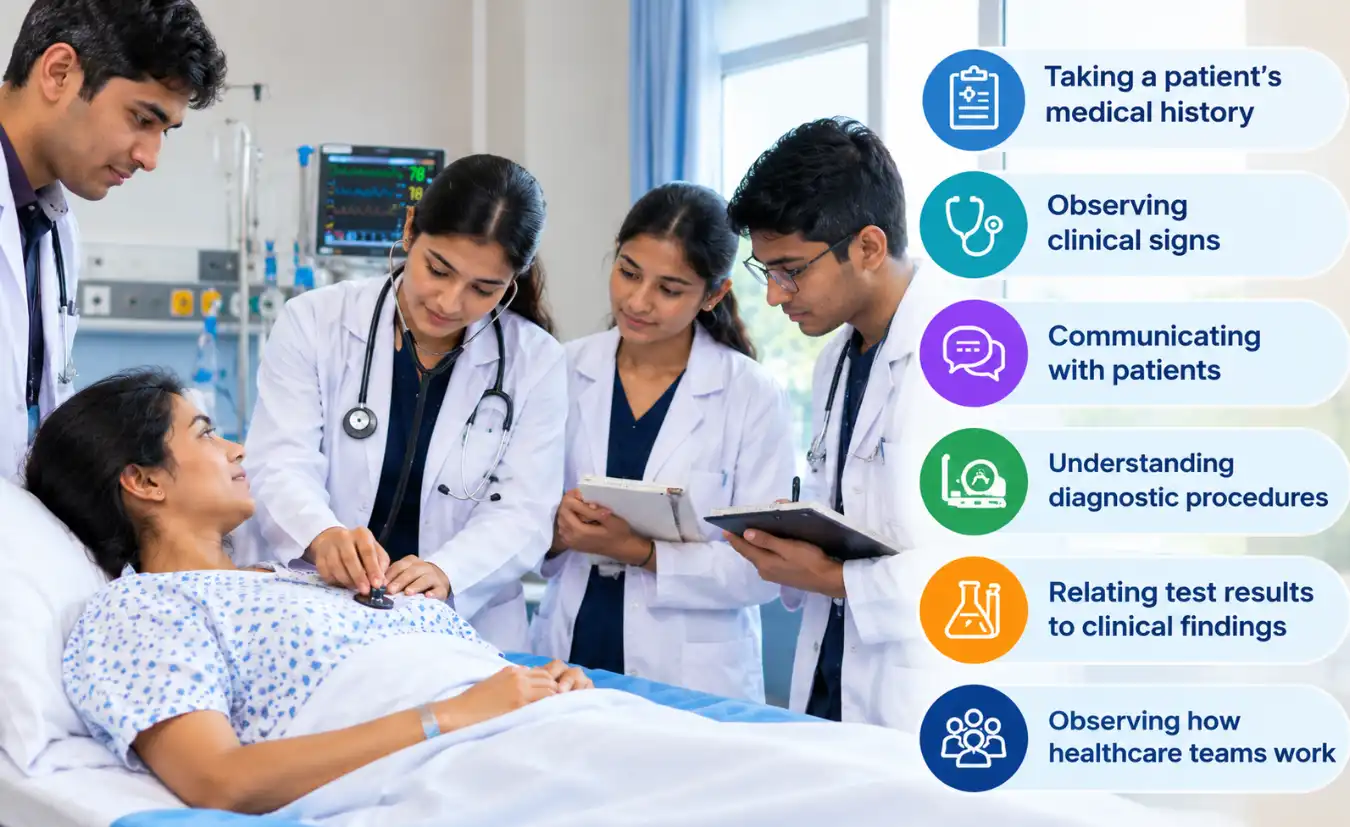
There is a difference between reading about a clinical examination and actually observing how it is performed with a patient.
That is why practical medical training is an important part of becoming a doctor.
KMI states that its network of more than 20 clinical bases provides opportunities for students to apply their theoretical knowledge and skills in clinical environments.
Depending on their level of training and the activities available, clinical exposure can help students understand areas such as:
- Taking a patient’s medical history
- Observing clinical signs
- Communicating with patients
- Understanding diagnostic procedures
- Relating test results to clinical findings
- Observing how healthcare teams work
The purpose is not simply to give students more information. It is to help them understand how different pieces of medical knowledge come together when caring for a patient.
How Does Technology Support Clinical Reasoning?
Suppose a patient arrives with symptoms that could have several possible causes.
A doctor would not normally make a clinical decision based on one piece of information alone.
The assessment may involve:
- Medical history
- Physical examination
- Laboratory investigations
- Diagnostic imaging
- Specialist opinions
- Other relevant tests
- Overall clinical findings
This is where medical technology becomes more meaningful for students.
They can begin to understand that diagnostic equipment does not replace clinical reasoning. Instead, the information it provides becomes one part of the larger decision-making process.
Advanced medical technology is therefore most useful educationally when it is combined with clinical teaching and practical exposure.
What Specialties Does KMI Cover?
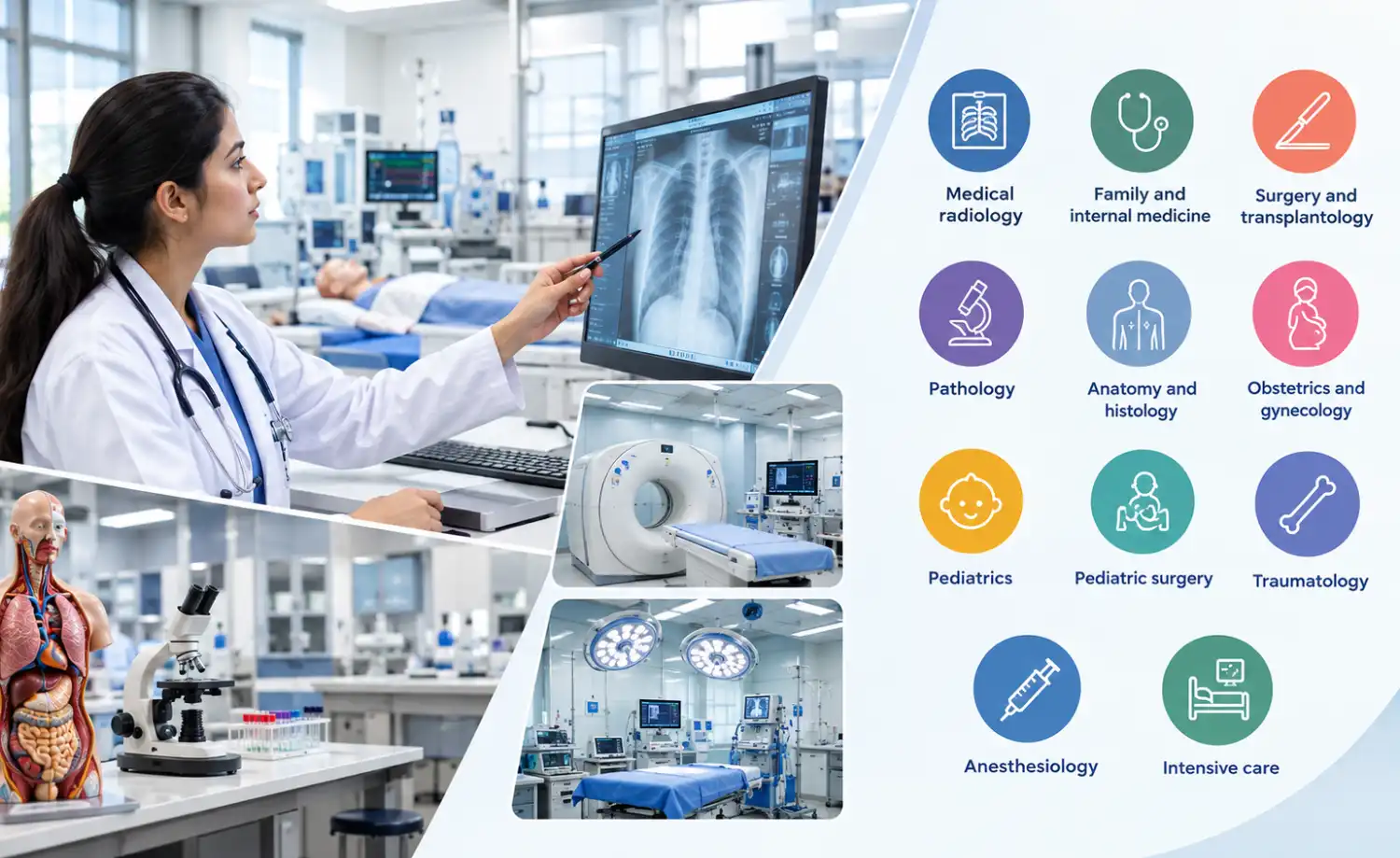
The KMI academic structure covers multiple areas of medicine, including:
- Medical radiology
- Family and internal medicine
- Surgery and transplantology
- Pathology
- Anatomy and histology
- Obstetrics and gynecology
- Pediatrics
- Pediatric surgery
- Traumatology
- Anesthesiology
- Intensive care
This range is relevant because patient care rarely stays within the boundaries of one specialty.
A patient may need laboratory testing, imaging, consultation with another specialist, surgery, or continued treatment.
Exposure to different departments can therefore help students understand how various areas of medicine work together.
KMI also reports collaborations with medical and educational organizations in countries including Austria, France, Italy, Korea, Bulgaria, and Russia. According to the institute, these collaborations involve activities such as international conferences, seminars, master classes, and exchanges of experience.
How Does KMI Use Advanced Medical Technology?
If you are researching top medical universities in Uzbekistan, it is useful to look beyond fees and admission requirements.
Students should also consider clinical training, infrastructure, faculty, hospital affiliations and other factors when choosing the right medical university.
The clinical learning environment should also be part of the comparison.
| Factor | Why It Matters |
|---|---|
| Clinical training | Shows how students gain exposure to healthcare settings |
| Clinical bases | Provides opportunities for applied learning |
| Modern medical facilities | Supports exposure to contemporary healthcare practices |
| Advanced medical technology | Helps connect theory with diagnostic applications |
| Diagnostic imaging | Provides insight into modern investigation methods |
| Faculty and departments | Shows the breadth of academic teaching |
| Practical medical training | Helps students develop clinical understanding |
Students should also verify the current curriculum, university recognition, clinical arrangements, admission requirements, and applicable regulations before making an enrollment decision.
How Does KMI Use Advanced Medical Technology?
The simplest way to understand the role of technology at KMI is to look at the connection between four stages:
Learning Approach:
Learn → Observe → Investigate → Apply
Learn → Observe → Investigate → Apply
Students first learn medical concepts in academic settings. Clinical exposure then allows them to observe how those concepts appear in healthcare. Diagnostic technology provides additional information about the patient’s condition, while practical training helps students understand how that information is used alongside clinical findings.
For example:
- Anatomy explains the body’s structures.
- Pathology explains changes caused by disease.
- Diagnostic technology provides information about those changes.
- Clinical training helps students understand how that information contributes to patient care.
This is why advanced medical technology is more meaningful when it is combined with qualified teaching, clinical exposure, and practical learning.
What Is the Clinical Learning Advantage of KMI University MBBS?
For an MBBS student, the value of medical technology is not simply having access to modern equipment. The bigger benefit is understanding how technology fits into the practice of medicine.
KMI’s academic departments, clinical bases, specialist facilities, and healthcare institutions provide different settings in which students can connect theoretical concepts with clinical learning. The Children’s Clinic and the institute’s network of clinical bases are examples of the broader clinical environment associated with KMI.
For students considering why to choose Uzbekistan for MBBS, factors such as clinical exposure, modern medical facilities, practical training, academic departments, and the overall learning environment can be important when comparing medical universities.
However, students comparing medical universities should assess the complete academic and clinical structure rather than making a decision based on technology or equipment alone.
Conclusion
Advanced Medical Technology can add meaningful value to MBBS education when it helps students connect classroom knowledge with real clinical practice. At KMI University MBBS, modern medical facilities, diagnostic learning, clinical exposure, and practical training can help students understand how medical knowledge is applied in patient care. KMI also has more than 20 clinical bases where students can strengthen their practical skills.
For Indian students comparing top medical universities in Uzbekistan, it is important to look beyond fees and consider clinical training, medical facilities, practical exposure, faculty, and the overall learning environment.
Planning to study medicine abroad? HSA EduWorld, an experienced MBBS abroad consultant, can help you compare KMI University MBBS with suitable medical universities, understand admission requirements, and make a more informed choice.
Start your MBBS abroad journey with HSA EduWorld today get expert guidance for university selection and admission.

 Education