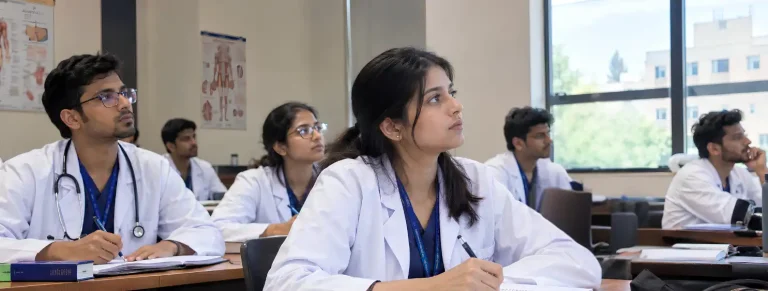






If you’re planning to study MBBS in Georgia, one of the first questions that probably comes to mind is how good are the teaching standards there?
In recent years, Georgia has become a popular choice for Indian students because of its affordable fees, globally recognized degrees, and modern campuses. But choosing a medical university is not just about cost or infrastructure. What really matters is the quality of education, clinical training, and how well the university prepares you to become a confident doctor.
Medical education goes beyond textbooks and exams. It involves hands-on experience, patient interaction, and learning how to make real-life medical decisions. Georgian medical universities focus on structured learning, practical exposure, and international education standards to ensure students receive well-rounded training.
In this article, we’ll break down how teaching works in Georgian medical institutions—from course structure and clinical training to faculty quality and global recognition so you can make a well-informed decision about your future.
European-Based Education System and Global Standards
One of the strongest reasons behind the success of Georgian medical education is its strong alignment with European higher education standards. The majority of the universities adhere to the Bologna Process and the European Credit Transfer and Accumulation System (ECTS).
Under this system:
- The MBBS course duration is 6 years.
- The MBBS (MD) program consists of 360 ECTS credits.
- Student performance is evaluated continuously.
- Learning is mainly divided into 2 phases: academic and clinical
This well-defined framework ensures that the degrees earned in Georgia are recognized globally. In addition, it also helps students to apply for higher education and licensing exams in different countries. You can also get in touch with an experienced MBBS abroad consultant to understand the system and how it will support your long-term career plans.
Degree Recognition and Program Duration

Medical institutions in Georgia award the Doctor of Medicine (MD) degree, which is equivalent to:
- MBBS in India
- MBBS in the UK
- MD in many European countries
The total duration of the course is six years, which includes classroom learning, lab training, and hospital internships. This perfect balance between theory and practice ensures that the students are well-prepared for real medical challenges.
Well-reputed medical institutions like BAU University, Georgia, follow this international structure strictly and provide students with a reliable and transparent academic journey.
Well-Planned Course Structure and Different Study Phases
| Phase | Key Subjects / Training | Explanation |
|---|---|---|
| Years 1–2 Pre-Clinical Phase |
|
This phase focuses on building a strong foundation in basic medical sciences. Students learn how the human body functions at structural and cellular levels, which is essential for understanding diseases later. |
| Years 3–5 Clinical Rotations |
Internal Medicine
Training at:
|
Students begin clinical exposure, interact with patients, observe doctors, and assist in procedures. This hands-on experience bridges theory with real-world practice. |
| Year 6 Internship & Clerkship |
Clinical Internship Hospital-based Training (~120 ECTS Credits) |
Final year focuses on compulsory internship, where students work under senior doctors, participate in patient care, and build confidence for independent practice. |
Highly Qualified Teaching Faculty
Teaching standards in the Georgian medical universities are well-supported by experienced and well-trained faculty members. The majority of the professors hold:
- MD and PhD degrees
- International teaching experience
- Clinical practice background
Moreover, some of the faculty members are also involved in medical research and global conferences, and this keeps them up-to-date with all the latest and modern medical practices.
Institutions like the BAU University Georgia focus strongly on the quality of faculty, thereby ensuring that the students learn from well-qualified and supportive mentors.
Modern Teaching Methods and Learning Tools
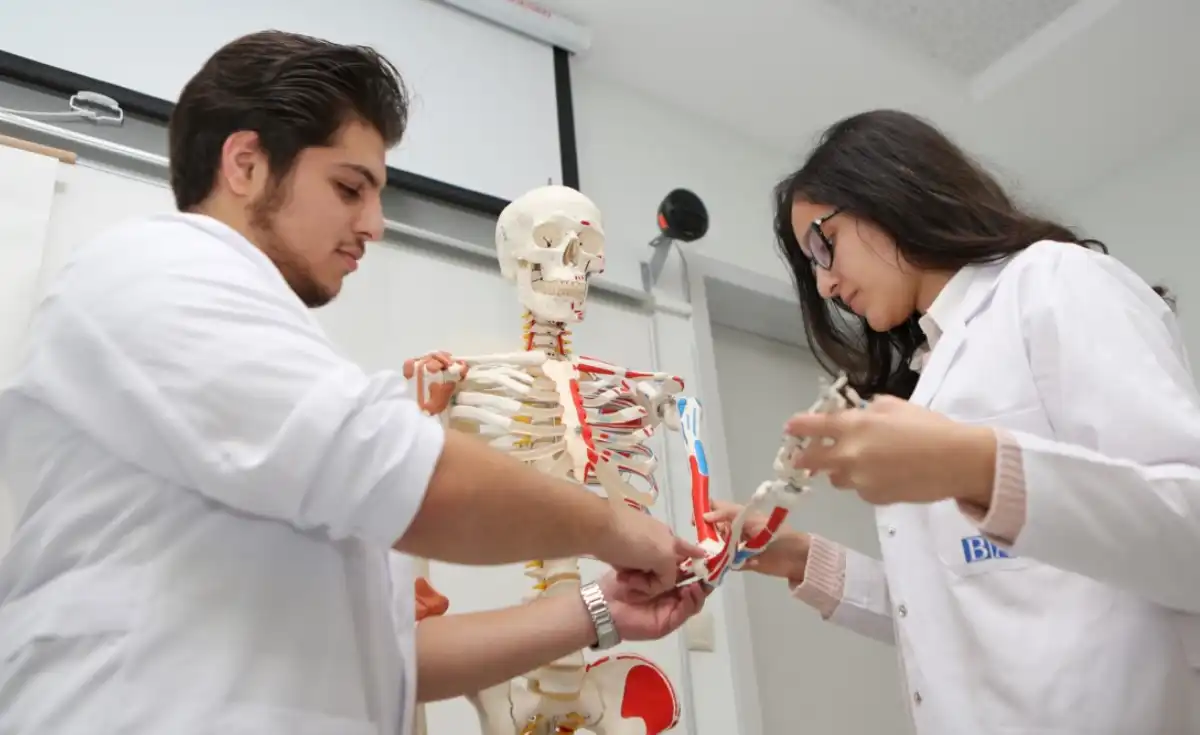
Georgian medical institutions make use of highly advanced teaching methods rather than conventional learning. These include:
- Case studies
- Problem-based learning
- Clinical simulations
- Online learning platforms
- Digital classrooms
These are some of the widely used methods that enable students to develop strong analytical thinking, decision-making ability, and practical problem-solving skills. Training like this is important to become a competent doctor.
Strong Infrastructure and Learning Facilities
The majority of the medical universities in Georgia provide modern infrastructure that offers support for quality education, including:
- Well-equipped labs
- Anatomy dissection halls
- Digital libraries
- Research centers
Students in Georgia universities benefit from strong faculty and exposure, get early clinical exposure, and also gain access to international medical journals, digital libraries, and advanced online resources, which encourage self-study, enhance research skills, and pave the way for strong academic excellence.
Accreditation and Quality Assurance
All the medical programs in Georgia are regulated by the National Center for Educational Quality Enhancement (NCEQE). This body ensures:
- Academic quality
- Faculty standards
- Evaluation of the infrastructure
- Student safety
- Program monitoring
NCEQE is well-recognized by the World Federation for Medical Education (WFME), confirming global standards. Furthermore, most universities also comply with:
- WHO guidelines
- National Medical Commission (NMC)
As per the set rules and regulations by the NMC, it is important for the students to complete 54 months of academic study and 12 months of internship. Georgian medical programs are designed in a manner that they can easily meet these requirements.
Students are also advised to consult a reliable MBBS abroad consultant so that they can help the students by verifying approvals and choosing the best accredited universities.
English-Medium Instruction and Language Support
Most of the international programs in Georgia are taught in English. This helps in making learning more comfortable and easy for the Indian and other international students.
During the course of clinical training, universities also offer basic Georgian language courses so that the students can easily communicate with patients and perform better in hospitals.
Licensing Exam Preparation and Career Guidance

The Georgian medical curriculum is aligned with all the leading international licensing exams, like:
- PLAB (UK)
- FMGE/NeXT (India)
- USMLE (USA)
Most of the universities also include exam-oriented modules in their comprehensive teaching system. This further helps students to start preparing early and reduce pressure after graduation.
With proper and professional guidance from an experienced MBBS abroad consultant, students can easily plan their exam strategy along with their studies.
How Can Teaching Standards in Georgia Benefit Students and Parents?
The Georgia medical education system offers several benefits, including:
- European standard course curriculum
- Strong clinical exposure
- Qualified and experienced faculty
- English-medium teaching
- NMC-compliant structure
- Affordable education
On the other hand, for parents, this ensures safety, transparency, and career security. For students, it makes them more confident, helps with skill enhancement, and offers global opportunities.
MBBS in Georgia vs MBBS in India: Key Differences You Should Know
| Feature | Georgia | India |
|---|---|---|
| Course Duration | 6 Years | 5.5 Years |
| Entrance Exam | Not Required (NEET for eligibility only) | NEET Required |
| Medium of Teaching | English | English/Hindi |
| Clinical Exposure | Early & Practical | Mostly Theoretical Initially |
| Fees | Affordable | High in Private Colleges |
| Global Recognition | High | Limited |
Wrapping Up
Choosing a medical university is not only about securing admission, but also about building a strong and successful future in the medical field. Each phase of the MBBS journey, from pre-clinical learning to clinical rotations and finally the internship, plays a crucial role in shaping your knowledge, skills, and confidence as a doctor especially when pursuing MBBS in Georgia.
Therefore, it is important to carefully evaluate all aspects such as academic quality, practical exposure, and career opportunities before making a final decision. A well-informed choice today will help you grow into a competent and confident medical professional tomorrow.
To make the right decision with confidence, connect with HSA EduWorld MBBS Consultants and get expert guidance for your MBBS journey.

 Education